
Every trek or trip we run moves through places that are not ours: forests, mountains, rivers and villages, and the people who call them home. This page covers how we ask every traveller to treat the land and the people along the way.

These principles are part of the code of conduct we cover in the pre-trek or pre-trip meeting before every departure. They apply to every trek and every backpacking trip, in the Sahyadri, the Himalayas, or anywhere in between.

Leave No Trace

The mountains and forests we trek through do not belong to us. These are the habits we ask every traveller to build in, so our presence leaves as little mark as possible.

Dispose of Waste Properly

1

Carry back everything you carry in. Every wrapper, peel, tissue and piece of packaging goes back down with you. This includes food scraps. Even though they eventually break down, leftover food on a trail draws wildlife toward humans and disrupts natural feeding behaviour.

2

Segregate waste where facilities exist. Wet waste, dry waste and recyclables are kept separate rather than dumped together, so that what can be composted or recycled actually gets the chance to be.

3

Use a designated toilet, or a proper cathole well away from water. Human waste and used toilet paper left in the open take a long time to break down at altitude and can contaminate streams and water sources downstream.

4

If you see litter that is not yours, pick it up anyway. It costs you nothing and leaves the trail better for the group behind you.

Say No to Single Use Plastic

1

Carry a reusable water bottle. Refill it instead of buying a new packaged bottle at every stop. A handful of Indian hill states, including Himachal Pradesh and Sikkim, have restricted single use plastic in ecologically sensitive areas for exactly this reason.

2

Avoid single use cutlery, straws and plastic bags. Small swaps, a cloth bag, a steel spoon, a reusable cup, add up quickly across a group and a season.

3

Remember that plastic behaves differently in the mountains. The Indian Himalayan region alone is estimated to generate several million tonnes of waste a year, much of it plastic that does not break down the way it would at lower altitude, and often has to be carried out by hand rather than processed locally.

Leave What You Find

1

Take photographs, not souvenirs. Rocks, flowers, moss, shells and other natural objects stay where you found them. What feels like a small keepsake to one traveller becomes real damage when thousands of trekkers do the same thing on a popular trail.

2

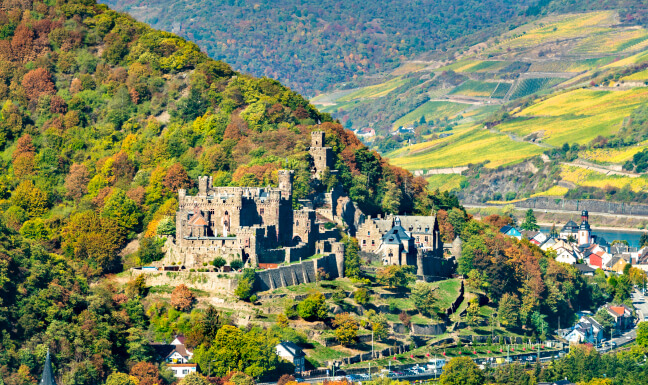
Do not disturb old structures or heritage sites. Forts, temples and other historic sites along many of our routes are centuries old and often protected. Examine and photograph them, but do not carve names into stone, remove pieces, or climb on fragile structures.

3

Leave campsites and rest points exactly as you found them, or better. Nothing built, nothing dug, nothing rearranged for a photo.

Respect the Ecosystem and Wildlife

1

Observe wildlife from a distance, and never feed it. Feeding a wild animal, even something as small as a biscuit, changes its natural behaviour, makes it dependent on humans, and can put both the animal and future trekkers at risk.

2

Stay on marked trails. Walking off trail damages vegetation and soil that can take years to recover, and disturbs ground nesting birds and small animals that are easy to miss.

3

Keep noise down near forests and wildlife zones. Sound carries far in the mountains, and unnecessary noise disturbs animals as much as it disturbs people.

4

Be careful with fire. Open fires are avoided where restricted and never left unattended. Forest fires in both the Sahyadri and the Himalayan region are a real and recurring risk, and most are started by carelessness rather than nature.

5

Do not pick flowers or damage plant life, especially in high altitude meadows, where the growing season is short and vegetation recovers slowly.

Be Considerate of Others

1

Keep noise levels down, especially early morning and at night near campsites, so fellow travellers and nearby villages can rest.

2

Give way on the trail, to trekkers coming from the opposite direction or to those who need to pass, particularly on narrow or exposed sections.

3

Respect the pace of the group. A trek is a shared experience, and consideration for slower or newer trekkers is part of being a good travel companion.

4

Ask before photographing people. A local resident, a fellow trekker, or a child in a village is not a photo prop. Ask first, and respect a no.

Respect the People

The villages, homestays and local economies along our routes are not a backdrop to the trek, they are part of it. This is how we ask every traveller to engage with them.

Engage with Locals and Empower Them

1

Choose experiences that put money directly into local hands. Homestays, local guides, local transport and local produce keep tourism income within the community instead of routing it elsewhere.

2

Learn a few words of the local language. A simple greeting goes a long way in building a genuine connection and shows basic respect for the place you are visiting.

3

Support local livelihoods, not just local scenery. Across India, responsible tourism programmes such as Kerala's Responsible Tourism Mission have shown that when local people are trained and included in tourism, from cooking to guiding to hospitality, both the community and the traveller's experience benefit.

4

Treat local staff, porters and guides with real courtesy. They know the terrain, the culture and the history of a region far better than any guidebook, and that knowledge deserves respect, not just a tip.

Why It Matters

When tourism income reaches the people who actually live in the communities trekkers pass through, it creates a direct incentive to preserve the trails, forests and cultural sites that make these regions worth visiting in the first place.

Respect Local Culture and Beliefs

1

Dress modestly, particularly in villages, temples and other religious or culturally significant sites, even when the weather tempts otherwise.

2

Ask before entering someone's home, farmland or place of worship, and follow local customs once inside, such as removing footwear where expected.

3

Be mindful of religious practices and local beliefs, even when they differ from your own. A festival, ritual or restriction that seems unfamiliar is not yours to question or joke about.

4

Learn a little about a place before you go. Understanding the history and culture of a region turns a trek from a physical achievement into a genuine exchange.

A Genuine Exchange

A trek is not just a physical challenge. When you take the time to understand the history, beliefs and daily life of the communities along the route, the experience becomes something far richer than a summit photo.

Prefer Indigenous Food

1

Choose local and seasonal food over familiar packaged alternatives whenever it is available. Regional dishes are usually fresher, support local farmers and food producers, and are part of the experience of the place.

2

Be open to what homestays and local kitchens offer, rather than expecting a menu identical to what you would get in a city restaurant.

3

Carry a reusable container for snacks where you can, instead of relying only on individually packaged snacks that add to the waste on a trail.

Taste the Region

The food you eat on a trek is part of the landscape. Local ingredients, traditional recipes and community kitchens connect you to a place in a way no packaged snack ever will.

Buy Local Art and Craft

1

Buy directly from local artisans and cooperatives wherever you can, rather than mass produced souvenirs with no real connection to the region.

2

Learn what you are buying. A handwoven textile, a wood carving or a local craft often carries a technique passed down through generations. Asking about it deepens the experience of buying it.

3

Pay a fair price. Bargaining is common in many parts of India, but the fair rule is to negotiate respectfully and remember that a small amount to you can be meaningful income to a local artisan.

Support Craftsmanship

Every handwoven textile, carved wooden figure or locally made product carries generations of skill. When you buy directly from the artisan, you preserve a tradition and support a family.

A Few Practical Resources

Small, reusable items make most of the above much easier to actually follow on the trail. Pack these before you leave.

Reusable Water Bottle

A reusable water bottle, ideally with a built-in filter or purification tablets as backup, instead of buying packaged water at every stop.

Cloth or Jute Bag

A cloth or jute bag for any shopping along the way, instead of accepting a plastic bag.

Low-Waste Toiletries

Solid soap, shampoo bars and other low waste toiletries, instead of small plastic sachets and bottles.

Waste Pouch

A small dedicated pouch for carrying back your own waste on stretches where there is no bin.

Biodegradable Soap & Sunscreen

Biodegradable soap and sunscreen near water bodies, since regular soap and sunscreen residue affects water quality downstream.