Safety on a trek or trip is a shared responsibility. This page covers what we do to plan and manage safety on our end, what changes depending on the kind of trip you take, and what we need every traveller to check and prepare before joining us.
On every trek, your trek leader has the final say on pace, route and turnaround. On every backpacking trip, your trip captain holds that same authority. If a call is made to slow down, wait out weather, change route or turn back, it is made for safety, and it stands, regardless of how the group feels about it in the moment.
Our Safety Measures
These are the measures we build into every trek and every backpacking trip we run, regardless of region or difficulty. Region specific measures are covered separately further down this page.
Our Team
1
Trained trek leaders and trip captains
Everyone leading a group with us is trained in first aid and basic emergency response, and is briefed on the specific route, its terrain, water sources and known risk points before every batch departs.
2
Group sizes kept manageable
We limit how many travellers join a single trek leader or trip captain, so that they can actually know and watch every member of the group through the trip, rather than simply manage a headcount.
3
Experienced local staff and support crew
Guides, cooks, drivers and support staff who work with us on the ground are experienced in the terrain they operate in, and are briefed on their role in an emergency, not only their day to day duties.
Before You Start
4
Health declaration at booking
Every traveller shares a basic health history at the time of booking. This is reviewed before we confirm the spot, and treks or trips at higher altitude or difficulty get an additional round of screening.
5
A safety briefing before departure
Before the trek or trip begins, the trek leader or trip captain runs a safety briefing covering the plan for the day, expected weather, water points, hazards specific to the terrain, and what to do if something goes wrong.
6
Fitness matched to difficulty
We publish a fitness and difficulty guide for every trek and trip, and would rather have an honest conversation with you before you book than have you discover a mismatch on the trail.
On The Ground
7
Acclimatization built into the plan
For treks and trips that gain significant altitude, the itinerary includes rest and acclimatization time. This is not compressed to save a day on the schedule.
8
Weather and route monitoring throughout
We track weather forecasts, water levels and trail or road conditions through the trip, and will delay, reroute, pause or call off a trek or trip if conditions turn unsafe. This decision rests with the trek leader or trip captain on the ground, not with the group's preference to continue.
9
Communication with our base team
Trek leaders and trip captains carry a way to reach our base team from the field, including in areas with limited network coverage, and every traveller is given an emergency contact number before departure.
10
Daily check ins on longer trips
On multi day treks and trips, the group's condition, pace and any health concerns are reviewed at the end of each day, not only at the start.
Safety And Medical Equipment
11
First aid on every trip
A first aid kit travels with every trek and trip, stocked for the terrain, altitude and duration involved.
12
Extra provision for higher altitude and technical terrain
Treks that go to higher altitude carry additional medical supplies suited to altitude related illness, and technical sections are supported with appropriate safety gear such as ropes and harnesses where the terrain calls for it.
13
Backup communication where needed
On routes with a known history of poor connectivity, we carry a backup means of communication beyond standard mobile network.
Permits, Insurance And Emergency Readiness
14
Permits arranged in advance
Where a trek or trip needs a forest department permit, an inner line permit, or any other local authority clearance, we arrange this as part of planning the trip.
15
Insurance guidance
We strongly encourage every traveller to carry travel insurance that covers medical treatment and evacuation, and will guide you on the kind of cover that suits the specific trek or trip you are joining.
16
A known evacuation plan
Every trek and trip we run has an identified evacuation plan, including the nearest point reachable by road or vehicle and contact details for the nearest available medical help on that route.
17
No alcohol or intoxicants during the activity
To keep decision making and physical coordination reliable, alcohol and intoxicants are not permitted during trekking hours or while travel is underway on any of our trips.
Safety Parameters for Sahyadri Treks
The Sahyadri range brings its own set of risks, tied mostly to weather, water and rock. This is what we watch for, and what we expect from every trekker.
Weather And Route Planning
1
Seasonal restrictions are followed as issued
During the monsoon months, district administrations and forest departments frequently restrict or close access to specific waterfalls, dams, rivers and fort routes when rainfall or water flow makes them unsafe. We follow these orders as they are issued, even if it means changing or cancelling a planned trek at short notice.
2
Weather checked before and during the trek
Rain, wind and visibility are checked before departure and monitored through the day, since weather in the Sahyadri range can change quickly, especially during the monsoon.
3
Timing built around daylight and weather
Treks are timed so that descents finish well before dark, and where possible before the heaviest part of any expected rainfall.
Terrain And Water Safety
4
Water bodies are a leading risk, not a photo opportunity
We do not enter dam backwaters, waterfall pools, rivers or streams that are not specifically part of the planned and monitored route. Water levels can rise suddenly upstream of a trail even when it is not raining where you are standing.
5
Wet rock changes everything
Rock surfaces, exposed patches and rock cut steps common on hill and fort trails become significantly more slippery when wet. Extra caution, and sometimes a change of route, is applied on such sections during and after rain.
6
Landslide and loose ground awareness
Trails that pass below loose slopes or through recently rain affected ground are approached with caution, and avoided altogether where the risk is elevated.
7
No cliff edge photography
Standing at the edge of a cliff, waterfall or viewpoint for a photograph or video is not permitted on our treks.
Group Conduct On The Trail
8
Stay on the marked trail
No shortcuts, no wandering off the path to explore, and no significant gap allowed between the front and back of the group.
9
Move together through risk sections
On stretches with real exposure or water risk, the group moves together and waits for everyone to clear the section before proceeding.
10
Report discomfort early
Cramps, exhaustion, dizziness or a turned ankle should be reported to the trek leader immediately rather than pushed through quietly.
Fitness, Footwear And Gear
11
Footwear with real tread
Trekking shoes or shoes with a grippy sole are required on all Sahyadri treks, and are non negotiable during the monsoon.
12
Basic fitness for stepped and steep terrain
Many Sahyadri trails involve steep, sustained ascents and descents, occasionally on rock cut steps without railings. A reasonable base level of fitness and comfort with height and exposure is expected.
13
Monsoon specific gear
A rain cover for your backpack, a poncho or rain jacket, and a change of dry clothing are expected on monsoon treks, along with basic protection against leeches and biting insects common to wet forest trails.
Safety Parameters for Himalayan Treks
Altitude is the defining factor on any Himalayan trek. Most serious safety issues on high altitude treks come down to how well the body is given time to adjust, so nearly everything below connects back to that.
Altitude And Acclimatization
1
Gradual altitude gain
Itineraries are planned to gain altitude gradually rather than in large single day jumps, with rest days built in at key points on longer or higher treks.
2
Climb high, sleep low
Where the route allows it, a day hike to a higher point followed by a return to a lower camp for the night is used to help the body adjust before committing to sleeping at a new altitude.
3
Rest days are not optional
If the itinerary includes an acclimatization day, it is followed as planned. It is never treated as a spare day to be skipped for a faster finish.
Recognizing And Responding To Altitude Illness
4
Symptom briefing before ascent
Every trekker is briefed on the symptoms of Acute Mountain Sickness, including headache, nausea, dizziness, loss of appetite and breathlessness beyond what the effort would normally explain, before altitude gain begins.
5
Report symptoms immediately
Trekkers are expected to report these symptoms to the trek leader as soon as they appear, rather than waiting to see if they pass on their own.
6
Descent is the response, not a discussion
Anyone showing signs of worsening altitude illness is stopped from climbing further and, if needed, brought down to a lower altitude. This decision is made by the trek leader and is final.
7
Awareness of more serious high altitude illness
Trek leaders are trained to recognise the warning signs of more serious high altitude conditions that require urgent descent and medical attention, and to act on them without delay.
Cold, Terrain And Environmental Hazards
8
Layered clothing for temperature swings
Himalayan weather can shift from strong sun to freezing wind within the same day, so clothing is checked before departure to make sure it can be layered up or down as needed.
9
Awareness of cold injury
Trekkers are briefed on the early signs of frostbite and hypothermia, such as numbness, loss of coordination or unusual tiredness in cold conditions, and are encouraged to keep hands, feet and other extremities dry and insulated.
10
River crossings and loose or glacial terrain
Sections involving stream crossings, moraine or loose rock are crossed under the trek leader's guidance, one person at a time where needed, rather than as a group all at once.
11
Snow and technical sections supported
Where a trek crosses snow patches or a pass with any technical difficulty, this is done with appropriate footwear traction, guidance from the trek leader, and a safety line where the terrain calls for it.
Fitness And Preparation
12
Cardiovascular fitness matters more than experience
A trekker who is unfit but experienced is still at higher risk at altitude than a well prepared beginner. Genuine physical preparation is expected ahead of moderate and difficult grade treks, not just enthusiasm.
13
Practice with your gear beforehand
Footwear, backpack and layers should be tried out before the trek, not worn for the first time on the trail.
Permits And Documentation
14
Region specific permits
Depending on the trek, an inner line permit, a forest department permit, or clearance from a local authority may be required. Where applicable, this is arranged as part of the trek, and travellers are told in advance what identification or documents they need to carry.
15
Carry originals and copies
Permits and identification are checked at forest checkpoints on many routes, so travellers are asked to carry both original documents and photocopies.
Hydration, Nutrition And Daily Discipline
16
Adequate fluid intake
Dehydration makes altitude sickness worse and is easy to overlook in cold, dry mountain air. Trekkers are encouraged to drink water consistently through the day rather than only when thirsty.
17
Eating enough, even without appetite
Appetite often drops at altitude, but the body still needs the fuel. Trekkers are encouraged to eat through the day even when they do not feel particularly hungry.
18
A steady, sustainable pace
Trekkers are asked to walk at a pace they can sustain rather than rushing ahead of the group, since a fast, breathless pace at altitude increases the risk of altitude illness.
Safety Parameters for Backpacking Trips
Backpacking trips usually mean more time on the road, and on several routes, altitude exposure without the gradual ascent that a trek naturally provides. Both bring their own safety considerations.
Road And Vehicle Safety
1
Vehicles checked before long or mountainous stretches
Brakes, tyres, fluid levels and general mechanical condition are checked before any stretch involving hill roads, passes or long distances.
2
Experienced, briefed drivers
Drivers on our trips are experienced with the terrain they are driving, and are expected to drive at a pace suited to road and weather conditions, not a fixed schedule.
3
Night driving on difficult mountain roads is avoided
Long mountain stretches are planned to be covered in daylight wherever possible.
Altitude And Health On The Road
4
Rest before activity at high altitude
Where a trip involves arriving somewhere significantly higher than sea level, the first day is kept light, focused on rest and hydration rather than sightseeing or physical activity.
5
The same altitude illness awareness as on treks applies
The symptoms and response to Acute Mountain Sickness described in the Himalayan trekking section above apply equally to backpacking trips that gain altitude quickly by road.
6
Limited time at extreme altitude viewpoints
Where a route includes a stop at a very high altitude point, time spent there is kept short, and the group moves to lower altitude if anyone shows discomfort.
Permits And Documentation
7
Restricted area permits
Certain regions require an inner line permit or similar local authority clearance for both Indian and foreign travellers. Where this applies to your trip, it is communicated in advance and arranged as part of the planning.
8
Identification checks
Valid government photo identification is required at checkpoints on many routes. Travellers are asked to carry both originals and copies at all times during the trip.
Remote Travel Planning
9
Fuel and supply planning
On routes with long gaps between fuel stations, towns or medical facilities, this is planned for in advance rather than assumed.
10
Connectivity gaps
Mobile network can be patchy or absent for long stretches on many backpacking routes. Trip captains carry a way to reach our base team beyond standard mobile coverage where the route calls for it, and travellers are advised to inform their own emergency contacts about likely network gaps in advance.
11
Offline navigation as backup
Digital maps are not relied on as the only source of navigation in areas with poor connectivity.
Personal Safety And Belongings
12
Travel as a group during activities and free time
Trip captains ask travellers to check in before heading off independently, particularly after dark or in unfamiliar areas.
13
Keep valuables and documents secure
Identification, permits, cash and electronics are kept secure and, where possible, backed up or photographed digitally in case of loss.
14
Respect local laws and customs
Travellers are expected to follow local laws and respect local customs, particularly in border areas, religious sites and other sensitive regions.
Weather And Environment
15
Layered clothing for sudden weather changes
Weather at altitude can shift quickly from clear and sunny to cold and windy, so layers are recommended regardless of season.
16
Sun and altitude exposure
High altitude sun is stronger than it feels. Sunscreen, sunglasses and lip protection are recommended even on cool or overcast days.
17
Food and water precautions
Travellers are encouraged to drink treated or bottled water and to be cautious with food from unfamiliar or informal vendors, particularly in remote areas.
Before You Join, Please Check
Safety on a trek or trip depends as much on preparation before you arrive as it does on anything we do on the ground. Here is what we ask of every traveller, grouped by when it matters.
When You Book
1
Share your medical history honestly, including any history of heart, blood pressure, respiratory, joint or other conditions that could be affected by exertion, altitude or long travel.
2
Ask us directly if you are unsure whether your fitness level or experience matches the grade of the trek or trip you are considering.
3
If you are joining a high altitude or physically demanding trek or trip, consult your doctor beforehand, particularly if you have any pre existing condition.
Before You Leave Home
4
Carry personal medication you may need, including any doctor prescribed medicine for altitude sickness, motion sickness or an existing condition.
5
Carry a valid government photo identification. It is required for permits and checkpoints on many of our routes.
6
Consider travel insurance that covers medical treatment, evacuation and trip cancellation, and carry a copy of your policy details with you.
7
Pack according to the gear list shared for your specific trek or trip. It reflects what is actually needed to stay safe and comfortable on that route, not a generic suggestion.
8
Share the details of your trek or trip, along with our emergency contact number, with someone at home.
Once You Are With Us
9
Attend the safety briefing in full, even if you have done a similar trek or trip before. Routes, conditions and instructions can differ each time.
10
Report any discomfort, illness or injury to your trek leader or trip captain immediately. Early reporting is what keeps a small issue from becoming a serious one.
11
Stay with the group on the trail or during planned activities, and inform your trek leader or trip captain before heading off on your own for any reason.
12
Alcohol and intoxicants are not permitted during trekking hours or while travel is underway on any of our trips.
13
Follow the pace, route and turnaround decisions made by your trek leader or trip captain. These calls are made for your safety and are final.


 Kalsubai Peak Highest peak in Maharashtra→
 Harishchandragad Ancient fort with Konkan Kada cliff→
 Ratangad Fort 400-year-old fort with natural rock hole→
 Rajgad Fort Former capital of Maratha Empire→
 Maharashtra Western Himalayan foothills→
 Gujarat Gujarat mountain trails→
 Madhya Pradesh Central highland treks→
 Pachmarhi Queen of Satpura with ancient caves→
 Amarkantak Source of Narmada river→
 All Central India Treks View complete collection→
 Mahabaleshwar Strawberry farms & viewpoints→
 Lavasa India's planned hill city→
 Rann of Kutch Vast white salt desert→
 Saputara Hill station of Gujarat→
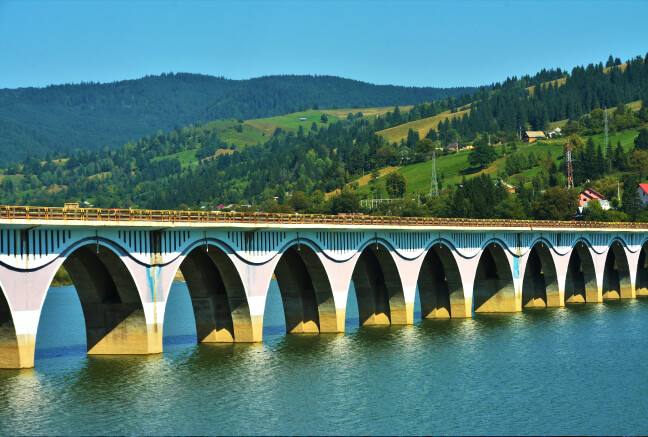 Diu Island fort & beaches→
 Pachmarhi Satpura's crown jewel→
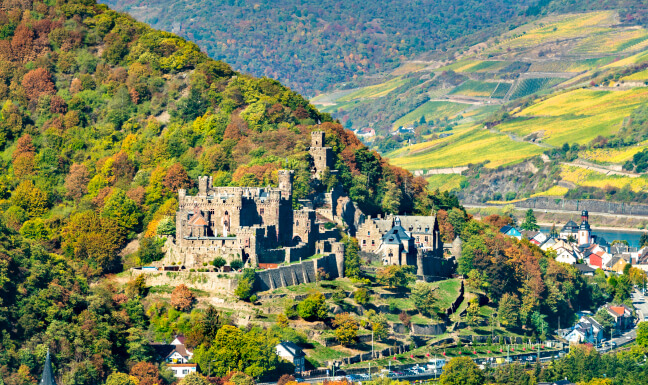 Orchha Medieval Bundela architecture→
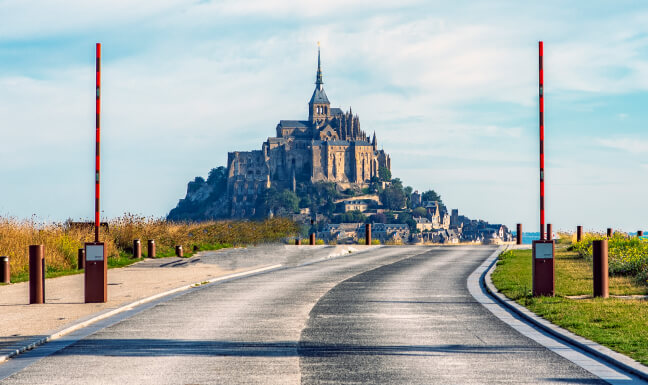 Khajuraho Iconic temple sculptures→
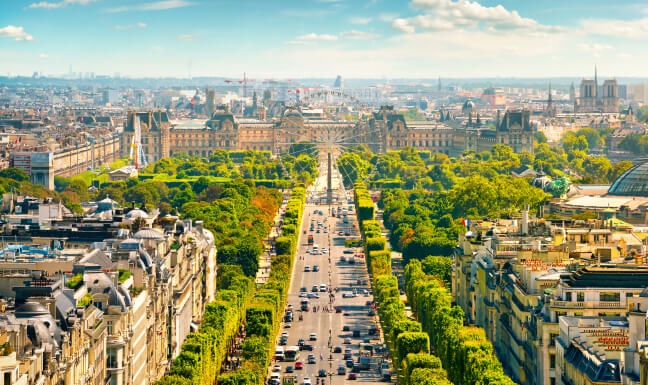 Jodhpur–Jaisalmer Blue city & golden fort→
 Udaipur City of lakes & palaces→
 Jaipur Pink city & Amber Fort→
 Spiti Valley Cold desert mountain valley→
 English
 Dutch
Dutch Japanese
 Korean
 Chinese